
War Zone: Fight For Homeland
Horus EntertainmentAction
4.41.32K Reviews
- Version
- 0.0.5.5
- Installs
- 10.00M
- Age Rating
- Teen
Screenshots
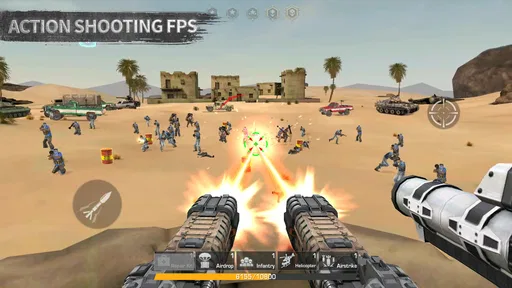
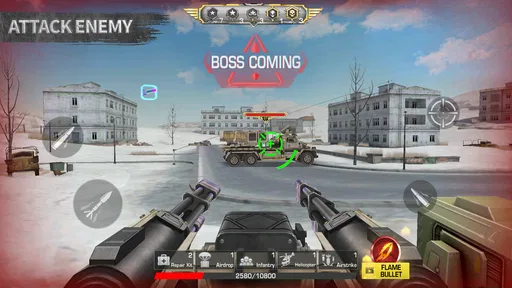
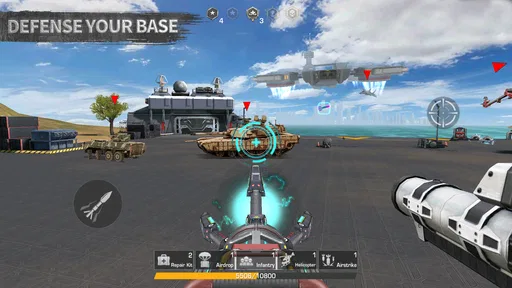
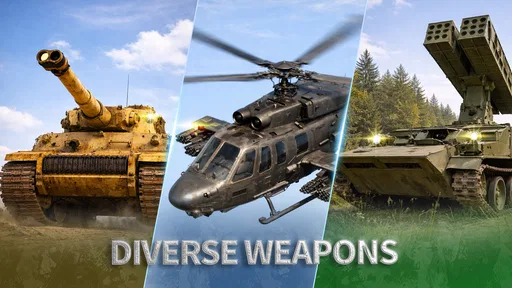
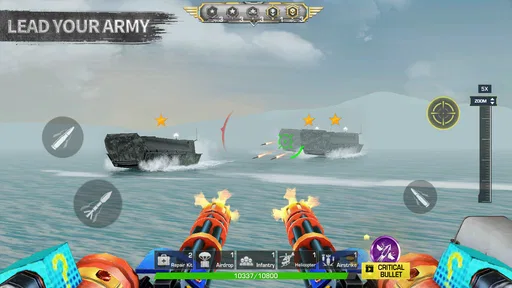
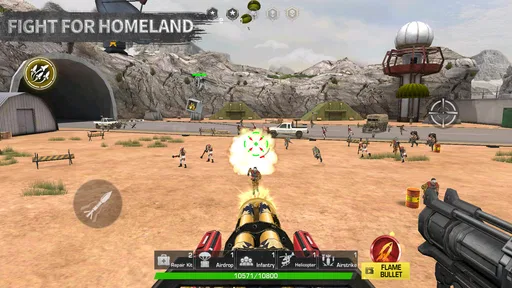
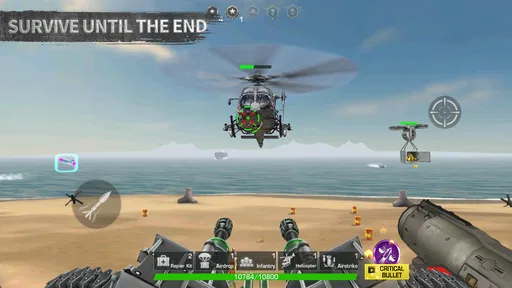
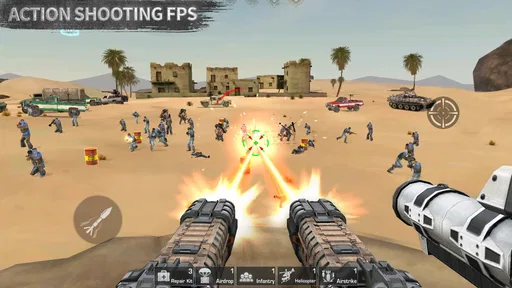
Our Review of War Zone: Fight For Homeland
 Analysis by Appyee
War Zone: Fight For Homeland is the kind of mobile action shooter I would suggest to someone who wants a quick FPS session without being tied to a single connection type. It is built around shooting-focused play and can be used online or offline, which gives it a practical advantage when I am moving between home, travel, and places with unreliable service. The game is free to install, but optional purchases range from $0.49 to $109.99 per item, so I would approach it as a free starting point rather than assuming every part of the experience costs nothing.
My first impression is straightforward: this is a game to open when I want direct action rather than a long role-playing commitment. It comes from Horus Entertainment and sits in the action category, with a Teen content rating. That combination tells me who should be looking at it: players comfortable with combat themes and people who prefer aiming, movement, and quick decisions over slow strategy or relaxed puzzle play.
What to expect before your first match
The most useful way to understand the game is to think of it as a flexible shooting option rather than a replacement for every major console-style FPS. Its strongest promise is convenience. Online play gives the game a connected setting, while offline play makes it easier to pick up when a network is not available. I would not install it expecting a huge social ecosystem or a deep campaign based only on the store summary. I would install it because I want an action game that can remain useful in more than one situation.
That distinction matters on a phone. A competitive online shooter usually depends on a stable connection, and even a short interruption can spoil a session. An offline-capable shooter avoids that particular frustration, although the two modes should be treated as different use cases. When I have a reliable connection and want the feeling of playing with other people, I choose online play. When I am waiting somewhere or trying to avoid mobile data, I start with offline play and focus on learning the controls and handling.
The game has attracted a sizeable audience, with an average rating of 4.4 from around 61 thousand ratings and more than 10 million installs. Those figures make it easier to take seriously as an established mobile release, but they do not remove the need to test it on your own phone. Shooting games are especially sensitive to screen size, touch response, frame stability, and personal comfort with virtual controls.
The current version is 0.0.5.5, and the game first appeared on October 24, 2022. I would keep those details in mind when judging the experience: a version number can change the feel of menus, balance, or performance over time. If something behaves differently after an update, I would first check that the game is current before deciding that the problem is permanent.
Because the minimum operating system is Android 7.0, the game is accessible to a broad range of Android devices. That does not guarantee identical performance across them. A newer phone may feel more comfortable for aiming and movement, while an older device may make long sessions less pleasant if the screen response or performance is inconsistent. My practical advice is to begin with a short session, not a long purchase decision.
How I would handle the first setup
After installing, I would start by treating the opening session as a control test. I would look at how the camera moves, how firing is triggered, and whether the on-screen buttons feel reachable without covering too much of the view. In a touch FPS, these details matter more than a polished menu. If my thumb has to stretch awkwardly or I keep pressing the wrong control, the problem is not my aim yet; it is the layout.
I would also begin in offline play if I were completely new. That gives me a calmer way to learn the rhythm of looking, moving, and shooting before adding the pressure of an online match. It is one of the most useful paths for a first-time player because a missed shot in practice teaches more than a rushed match where I am also trying to understand the interface.
My first setup routine would be simple:
- Play a short offline session before spending anything.
- Test whether the camera movement feels comfortable at the default control sensitivity.
- Learn which touch area handles movement and which one handles aiming or firing.
- Use the first few encounters to watch for reload timing and safe movement rather than chasing every target.
- Only then try online play, once the basic screen layout feels familiar.
This approach also answers a question many new players have: do I need to buy something immediately to understand the game? I would say no. Since the game is free, there is no reason to make an early purchase before learning whether the controls, pace, and visual presentation suit you. The available in-app purchase range is wide, so I would treat spending as a later decision based on actual enjoyment, not as part of the installation process.
Another small but important habit is to keep the first session short enough to notice friction. If aiming feels tiring after a few minutes, that is valuable information. A phone shooter can be enjoyable in brief bursts but less comfortable as a long session game. I would rather discover that early than mistake the novelty of the first launch for lasting compatibility.
Turning the first session into a meaningful success
For a first-time player, success should not mean winning an online match immediately. I would define it more usefully: complete an encounter while staying in control of movement, understand why I lost health, and finish knowing which control caused each action. That kind of success creates a foundation for better results instead of encouraging random tapping.
My first practical goal would be to move deliberately while keeping the view aimed toward likely danger. New players often concentrate so hard on firing that they stop moving, or they move constantly without giving themselves time to aim. I find it more reliable to use short movements, pause long enough to make a clean adjustment, and then relocate after firing. Even in a simple mobile shooter, position and timing usually matter as much as reaction speed.
I would avoid treating every visible opponent as a target that must be attacked instantly. A better first-session exercise is to notice how much time I have to adjust before firing. If I shoot the moment something appears, I may waste ammunition or lose accuracy. If I wait too long, I give the opponent the advantage. The useful middle ground is to bring the target into the center of the view, fire with intent, and move again rather than standing still.
Offline mode is particularly valuable here because it lets me repeat the same basic workflow: enter an encounter, establish a comfortable position, aim, fire, relocate, and review what went wrong. That repetition can make online matches less intimidating. I would not expect practice to eliminate every surprise, but it can remove the avoidable mistakes caused by unfamiliar controls.
When I eventually switch online, I would make the first connected session an observation exercise. I would pay attention to whether my misses come from poor aim, rushed decisions, or difficulty reading movement. Those are different problems and need different solutions. Changing every control at once makes it hard to know what helped, so I would adjust one thing at a time.
The quickest route to a first real improvement is controlled movement, not frantic firing. That is the advice I would give a friend installing this game. Focus on surviving an encounter while making understandable decisions. A defeat that shows exactly where I lost control is more useful than a lucky win that I cannot repeat.
Common confusion that can slow down new players
The biggest possible misunderstanding is assuming that online and offline play are interchangeable. They are not the same reason to play. Offline mode is the practical choice for learning and for places without dependable connectivity. Online mode is the better choice when I want a connected challenge. If I judge the offline experience by the standards of a competitive match, or judge online play as if it were relaxed practice, I may come away with the wrong impression.
Another source of confusion is the meaning of “free.” The game costs nothing to download, but it includes optional purchases priced from $0.49 to $109.99 per item. I would not let the presence of those purchases dominate the first session, but I would keep them in mind before tapping any store button. A sensible workflow is to play enough to decide whether the core shooting feels good, then consider whether an optional item genuinely improves the way I want to play.
I would also avoid assuming that a high number of installs means the game will feel perfect on every phone. Touch shooters expose hardware differences quickly. A screen that responds well for one person may feel cramped or imprecise to another. If the first session feels uncomfortable, I would test the controls again in a quieter offline encounter before blaming my skill. If the discomfort remains, this may simply not be the right format for me.
The Teen rating is another detail worth taking seriously. This is not a family-friendly casual game in the same sense as a puzzle or word app. Parents should consider whether shooting-focused action is suitable for the intended player, and younger users should not treat the rating as an afterthought. For the right audience, the rating is a clear signal about the tone of the experience.
Some players may also wonder whether this is the right alternative to a large, established online FPS. My answer is conditional. I would choose this game when offline access and quick phone-based sessions matter more than a broad competitive ecosystem. I would look elsewhere if I wanted highly developed esports-style systems, a large social layer, or the precise feel of playing with a controller or keyboard. Its appeal is practical flexibility, not an automatic victory over every other shooter.
How to decide whether to spend more time with it
After the first successful session, I would give the game a few different tests instead of repeating one type of match. I would play offline when I wanted to improve basic handling, then try online when I felt ready to deal with a less predictable challenge. This makes the two central modes work together: one builds familiarity, while the other tests decision-making under pressure.
I would also judge the game by the length of sessions I actually enjoy. If I like opening it for a quick burst while waiting for an appointment, that is a valid success. If I want a long evening game with extensive progression and a large competitive community, I would compare it more carefully with dedicated FPS alternatives. The right choice depends on whether flexibility or depth is my priority.
For someone who is new to mobile shooters, I would recommend a three-step routine. First, learn the touch layout offline. Second, set a modest online goal, such as staying aware of movement instead of chasing a score. Third, review the reason for each defeat before changing settings or considering purchases. This prevents the common mistake of spending money to solve a control problem that money cannot fix.
There is also a useful travel scenario here. Imagine I am on a train or waiting in a place where the connection is unreliable. An online-only FPS may be unavailable or frustrating, while this game gives me an offline option. Later, when I am back on a stable connection, I can use online play for a different kind of session. That flexibility is more meaningful than a generic claim about convenience because it changes when the game is usable.
I would skip it if I dislike touch aiming, if combat-focused games are not appropriate for my household, or if I need a deeply competitive shooter with a mature long-term structure. I would also be cautious if I am easily tempted by large optional purchases. The free entry point is helpful, but the broad purchase range means I would set my own limit before browsing any extras.
My recommendation after using the full path
War Zone: Fight For Homeland works best when I approach it as an accessible mobile action shooter with two practical ways to play. Horus Entertainment has made the online-and-offline distinction central to its usefulness, and that is the feature I would emphasize to a friend. It gives the game a role beyond the usual connected match: it can also be a quick offline option for practice or downtime.
I would recommend installing it for players who want shooting action on Android 7.0 or later, prefer short sessions, and value the ability to play without always depending on a network. The free price makes testing easy, and the Teen rating clearly identifies the intended audience. Its rating of 4.4 and audience of over 10 million installs suggest that many players have found something worthwhile here, while the current version remains a reason to judge the experience directly on your own device.
My final advice is to delay every optional purchase until the controls have earned your confidence. Start offline, learn one movement-and-aim routine, and then use online play to see whether the added pressure is enjoyable. If that path feels natural, the game can become a convenient action shooter for both connected and disconnected moments. If you are looking for the deepest competitive alternative or a more elaborate FPS framework, another game may serve you better.
I see this as a practical, easy-to-test shooter rather than an all-purpose replacement for every FPS. Its best quality is the freedom to choose online or offline play; its main trade-off is that players seeking a highly specialized competitive experience may eventually want something more focused. For a first-time user, though, the route is reassuring: install it, practice without pressure, learn what your controls feel like, and only move toward online matches or purchases when the basic action is genuinely fun.
Verdict
Strengths of War Zone: Fight For Homeland
- Fast-paced battles are easy to learn, even for newcomers.
- Short matches fit well into quick gaming sessions.
- Multiple weapons encourage different combat styles.
- The homeland theme gives the game a clear sense of purpose.
- Simple controls make movement and aiming accessible on mobile.
Limitations of War Zone: Fight For Homeland
- Progress may feel repetitive after extended play.
- Some weapons or upgrades can take time to unlock.
- Small screens can make precise aiming difficult.
- Online performance may depend heavily on connection quality.
- Frequent combat can feel stressful for players seeking a relaxed game.
Other Releases by Horus Entertainment
View All
World War: Army Battle FPS 3D
Action4.3
Similar Picks in This Category
View All
Temple Run 2: Endless Escape
Imangi Studios4.1

PUBG MOBILE
Level Infinite4.3

Free Fire: 9th Anniversary
GARENA INTERNATIONAL I4.4

Talking Tom: Hero Dash Run
Outfit7 Limited4.3

slither.io
Lowtech Studios3.9

Sniper 3D:Gun Shooting Games
Wildlife Studios4.6
Frequently Asked Questions
What is War Zone: Fight For Homeland?
War Zone: Fight For Homeland is a military-themed action game focused on combat missions, battlefield movement, and shooting challenges. Players typically progress through hostile environments, complete objectives, and face increasingly difficult enemies. The game is designed for users who enjoy fast-paced action, tactical positioning, and war-inspired scenarios rather than relaxed or casual gameplay.
Can War Zone: Fight For Homeland be played offline?
Offline availability may depend on the specific version and device configuration. Some missions or core gameplay features may work without an internet connection, while advertisements, updates, cloud saving, leaderboards, or other online services can require access. It is best to launch the game once while connected and check which modes remain available after switching to offline mode.
Is War Zone: Fight For Homeland free to download?
The game may be available as a free download, but users should still review the store listing before installing it. Free games can include advertising, optional in-app purchases, extra content, or paid upgrades. These purchases are not always necessary to begin playing, although they may help unlock equipment or speed up progress depending on the game’s progression system.
What devices are compatible with War Zone: Fight For Homeland?
Compatibility depends on the operating system, device model, available storage, and hardware performance. Because action games can require more processing power than simple mobile apps, older phones or tablets may experience slower loading, reduced graphics quality, or occasional performance issues. Check the official Android or iOS store page for the current minimum requirements before downloading.
Does the game contain violence or require an internet connection?
Yes, War Zone: Fight For Homeland is built around military combat, so players should expect weapon-based action, enemy encounters, explosions, and other fictional violence. It may also request an internet connection for advertisements, updates, analytics, or online features. Parents should review the game’s age rating and permissions before allowing younger users to install and play it.
Play our best games!


